
When deciding where to donate, many people face a common question: should they support large national charities or smaller local nonprofits? Both types of organizations play important roles in addressing social challenges, and each has unique strengths.
Some donors are drawn to well-known national organizations with large-scale programs and global reach. Others prefer supporting local nonprofits that serve communities closer to home. Understanding the differences between these two types of charities can help donors decide which approach best aligns with their goals and values.
The Advantages of Large National Charities
Large national charities often have significant resources, established infrastructure, and the ability to operate at scale. These organizations may serve millions of people across multiple regions or even internationally. Because of their size, national nonprofits can often mobilize quickly in response to large-scale crises such as natural disasters or humanitarian emergencies. They may have specialized expertise, large volunteer networks, and access to partnerships with governments, corporations, and other institutions.
Many national charities also invest heavily in research, program development, and long-term initiatives designed to address complex social problems. Their scale can allow them to pursue solutions that smaller organizations may not have the capacity to implement. For donors who want to contribute to large, coordinated efforts addressing major national or global issues, supporting established national charities can be a compelling choice.
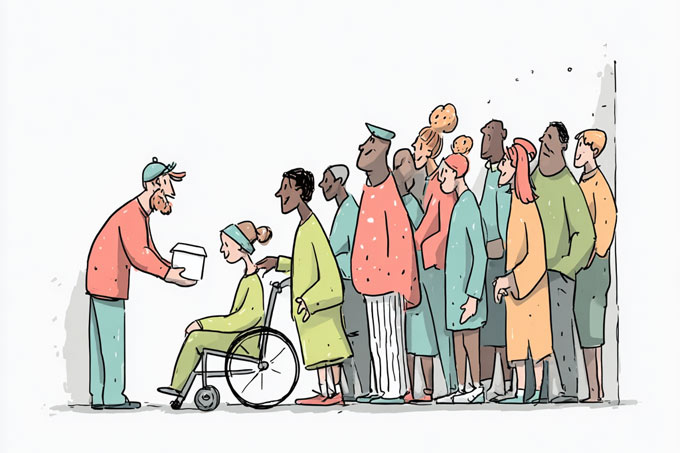
The Strengths of Smaller Local Nonprofits
Smaller local nonprofits often have deep connections within the communities they serve. Because they operate on a more localized scale, they may have a strong understanding of the specific challenges facing their communities. Local organizations are frequently able to respond quickly to community needs and tailor their programs to the people they serve. They may also provide more direct interaction between donors, volunteers, and the beneficiaries of their work.
For many donors, the ability to see the results of their contributions firsthand is particularly meaningful. Supporting local nonprofits can provide a sense of connection and engagement that larger organizations may not always offer. Additionally, smaller organizations may depend more heavily on community support, meaning that even modest donations can make a significant difference.
Differences in Scale & Impact
One of the key differences between national and local nonprofits is the scale of their impact. Large organizations may reach thousands or millions of people through national programs, advocacy initiatives, or international aid efforts. Local nonprofits, on the other hand, often focus on specific neighborhoods, cities, or regions. While their reach may be smaller, their impact within those communities can be highly concentrated and meaningful.
Neither approach is inherently better. The effectiveness of a nonprofit depends more on its leadership, strategy, and ability to deliver results than on its size alone.

How Donor Priorities Influence the Decision
Personal priorities often shape whether donors prefer national or local organizations. Some individuals are motivated by large-scale challenges such as global health, disaster relief, or international poverty. These issues are frequently addressed by national or international nonprofits.
Others are particularly passionate about strengthening their own communities. Supporting local food banks, youth programs, shelters, or education initiatives can create visible improvements in the places where donors live and work. Some donors also value the opportunity to volunteer or engage directly with the organizations they support, which is often easier with local nonprofits.
A Balanced Approach to Charitable Giving
Many experienced donors take a balanced approach by supporting both national and local organizations. This allows them to contribute to large-scale initiatives while also strengthening the communities closest to them.
For example, a donor might support a national organization working on medical research or disaster response while also contributing to local nonprofits addressing housing, education, or food security in their region. This balanced approach can provide a sense of both global and local impact.

Focusing on Effectiveness & Transparency
Regardless of whether a nonprofit is large or small, donors should still evaluate the organization’s transparency, leadership, and effectiveness. Well-run nonprofits at any size are typically clear about their mission, programs, and use of funds.
Reviewing an organization’s website, annual reports, and impact statements can help donors better understand how their contributions will be used. Donors may also look for evidence that the organization regularly evaluates its programs and communicates results to supporters.
Choosing the Right Fit for Your Giving
Ultimately, the decision between supporting large national charities and smaller local nonprofits is not about choosing the “right” type of organization. Instead, it is about aligning your giving with the causes and communities you care about most.
Both national and local nonprofits contribute valuable work to address social challenges. By selecting organizations that demonstrate strong leadership, transparency, and meaningful impact, donors can ensure their contributions help create positive change – whether that change occurs across the world or right in their own community.





Comment Policy: To help prevent spam and keep discussions readable, submitted comments may not include HTML or links.