
Philanthropy continues to evolve as new social challenges emerge and donors become more strategic about where they give their time and money. While many traditional causes remain important, several areas of charitable activity have experienced rapid growth in recent years as donors seek opportunities to create meaningful and measurable impact.
Understanding these trends can help donors identify causes that are expanding, attracting significant support, and addressing some of today’s most pressing issues. For individuals considering where to donate or volunteer, awareness of these emerging areas of philanthropy can provide valuable insight into how charitable efforts are changing.
Climate & Environmental Sustainability
One of the fastest growing areas of philanthropy is environmental protection and climate-related initiatives. As concerns about climate change, biodiversity loss, and environmental sustainability have intensified, donors have increasingly directed funding toward organizations working to address these challenges.
Nonprofits in this space focus on a wide range of efforts, including conservation, renewable energy development, environmental education, wildlife protection, and sustainable agriculture. Many donors are particularly interested in supporting initiatives that create long-term environmental solutions while also benefiting local communities.
This growing focus reflects a broader recognition that environmental sustainability plays a critical role in economic stability, public health, and global development.
Mental Health & Well-Being
Mental health has become a major focus of philanthropic investment as awareness of emotional well-being and psychological support has increased. For many years, mental health services were underfunded and often overlooked within both healthcare systems and charitable giving.
Today, donors are increasingly supporting nonprofits that provide counseling services, crisis intervention programs, mental health education, and community-based support initiatives. The expansion of telehealth services and digital mental health resources has also created new opportunities for nonprofit innovation in this field.
As stigma surrounding mental health continues to decline, philanthropic support for these services is likely to remain a significant and growing priority.
Education Access & Workforce Development
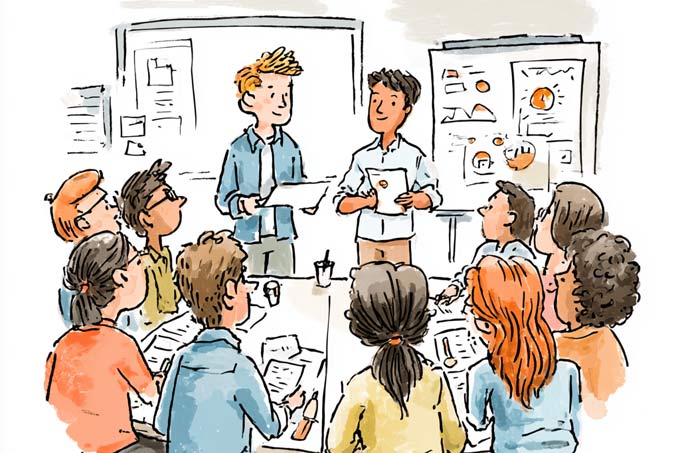
Education has long been a central focus of charitable giving, but recent philanthropic efforts have increasingly emphasized access, equity, and workforce preparation.
Many nonprofits are now working to expand educational opportunities for underserved communities, improve digital access for students, and provide job training programs that help individuals build sustainable careers. Workforce development initiatives are particularly important in industries experiencing rapid technological change.
Donors interested in long-term community impact often view education and job training as powerful tools for addressing poverty, strengthening local economies, and creating upward mobility.
Global Health & Pandemic Preparedness
The global health landscape has also become a major area of philanthropic growth. The experience of recent public health crises highlighted the importance of strong healthcare systems, medical research, and international collaboration.
Philanthropic organizations are increasingly investing in global health initiatives that address infectious diseases, maternal and child health, vaccination programs, and access to basic medical services. Some nonprofits are also focused on improving healthcare infrastructure in underserved regions around the world.
Many donors recognize that improving health outcomes not only saves lives but also contributes to economic development and community stability.

Community-Based & Local Giving
While global philanthropy continues to grow, many donors are also showing renewed interest in supporting local organizations that directly serve their own communities.
Community-based nonprofits often address issues such as housing stability, food insecurity, youth development, and neighborhood revitalization. Donors frequently appreciate the opportunity to see the impact of their contributions more directly and to engage with organizations that operate close to home.
Local philanthropy has also grown as community foundations and collaborative initiatives encourage residents to work together to address shared challenges.
Technology & Digital Inclusion
Access to technology has become increasingly important for education, employment, healthcare, and civic participation. As a result, nonprofits focused on digital inclusion have experienced significant growth in recent years.
These organizations work to expand internet access, provide digital literacy training, distribute devices to underserved communities, and support technology education programs for young people. Many donors view digital inclusion as a critical step toward reducing inequality and ensuring that individuals have the tools needed to succeed in a modern economy.
The rapid pace of technological change continues to create new opportunities for philanthropic innovation in this field.
Strategic Giving in a Changing Philanthropic Landscape
The philanthropic landscape is constantly evolving as new challenges emerge and new solutions are developed. While traditional charitable causes remain vital, many donors are exploring these rapidly growing areas to identify opportunities where their contributions can have significant impact.
For individuals considering where to donate or volunteer, understanding these trends can provide a helpful starting point for evaluating potential organizations. By aligning their support with causes that address critical and emerging issues, donors can play an important role in shaping a more resilient and equitable future.





Comment Policy: To help prevent spam and keep discussions readable, submitted comments may not include HTML or links.