• Skip to main content
  • Skip to primary sidebar
  • Skip to footer

Andrew Jensen

  • Home
  • About
  • Services
    • Business Growth Consulting
      • Business Startup Consulting
      • Business Coaching
      • Business Strategy Consulting
      • Business Innovation Consulting
      • Business Efficiency Consulting
      • Turnaround Business Consulting
    • Customer Experience Consulting
      • Customer Experience Strategy Consulting
      • Customer Service Consulting
    • Marketing & Advertising Consulting
      • Business Marketing Consulting
      • Public Relations Consulting
      • Internet Marketing Strategies
      • Digital Advertising Consulting
        • Internet Advertising Consulting
        • Google Ads Consulting
        • Microsoft Ads Consulting
        • YouTube Ads Consulting
        • Facebook Ads Consulting
        • Instagram Ads Consulting
      • Search Engine Optimization Consulting
      • Website Analytics Consulting
    • Charitable Giving Consulting
  • FAQs
    • Why Andrew?
  • Insights
    • Leadership & Workforce Strategy
    • Growth & Financial Strategy
    • Marketing & Customer Experience
    • Digital & Technology Strategy
    • Productivity & Efficiency
    • Organizational Communication
    • Entrepreneurship & Startups
    • Nonprofit Strategy
  • Contact
    • Contact Andrew
    • Media Inquiries
    • Public Speaking
    • Board of Directors Service
    • Partners
Home » Signs That a Nonprofit Board of Directors Is Not Doing Its Job

Updated on March 20, 2026 by Andrew Jensen Leave a Comment

Signs That a Nonprofit Board of Directors Is Not Doing Its Job

board members for nonprofit sitting around long table and having a meeting
When donors evaluate nonprofit organizations, they often focus on the mission, programs, and visible outcomes. Those factors certainly matter. However, one of the most important indicators of a nonprofit’s effectiveness is something many donors rarely examine: the quality of the organization’s board of directors.

A nonprofit board of directors is responsible for governing the organization, overseeing finances, setting strategy, and ensuring that leadership remains accountable to the mission. When a board is engaged and effective, it helps guide the organization toward long-term success. When it is not, the consequences can include poor financial management, ineffective programs, and loss of donor trust.

For donors who want to give wisely, it can be helpful to recognize some warning signs that a nonprofit board may not be functioning effectively.

1. The Board Rarely Appears in the Organization’s Public Communications

A healthy nonprofit typically highlights its board members on its website and in annual reports. Transparency about governance demonstrates accountability and allows donors to see who is responsible for overseeing the organization. When an organization provides little or no information about its board members, it may indicate weak governance or limited engagement from the board. Donors should be able to easily find board member names, professional backgrounds, and leadership roles.

Organizations that prioritize transparency often share governance information through platforms such as Candid and charity evaluation resources like Charity Navigator.

2. The Same Individuals Have Served on the Board for Many Years Without Rotation

Board continuity can be beneficial, but effective governance also requires fresh perspectives and independent oversight. If the same small group of individuals has served on the board for a decade or more without turnover, the board may become insular and less willing to challenge leadership.

Healthy nonprofit boards typically implement term limits that encourage renewal while maintaining institutional knowledge. Regular board rotation also reduces the risk of conflicts of interest or excessive influence by a small group. A lack of board turnover can sometimes signal that governance practices have become stagnant.

3. Board Members Have Limited Relevant Experience

Nonprofit boards should include individuals who bring meaningful skills to the organization. Effective boards often include professionals with expertise in areas such as finance, law, fundraising, program management, or the nonprofit’s specific field of work. If the board consists largely of friends of the executive director, individuals with little relevant expertise, or people selected primarily for social connections, the board may struggle to provide effective oversight.

Strong boards function as strategic advisors and independent stewards of the mission. Without the right mix of skills and perspectives, they may not be able to fulfill these responsibilities.
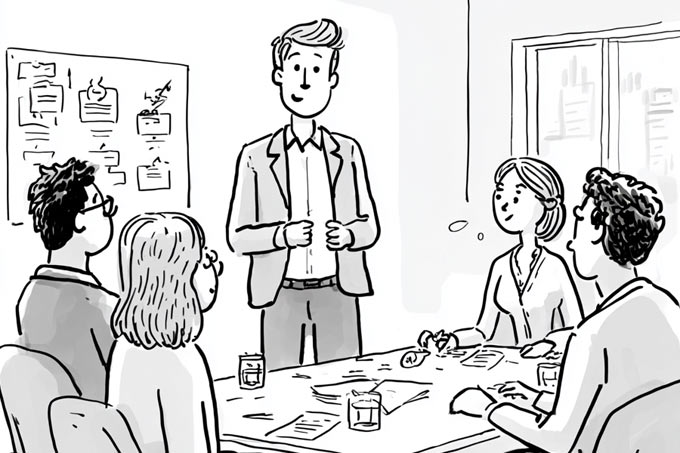
board meeting at a nonprofit charity

4. The Organization Lacks Clear Financial Transparency

Financial transparency is one of the most visible indicators of responsible governance. Competent nonprofit boards ensure that accurate financial information is available to donors and the public. Donors should be able to access annual reports, audited financial statements, or at minimum the organization’s Form 990 filing. These documents reveal how funds are raised, allocated, and managed.

If a nonprofit is reluctant to share financial information or provides only vague summaries without supporting documentation, it may suggest weak oversight from the board. Independent charity watchdogs such as the BBB Wise Giving Alliance encourage nonprofits to make these materials readily accessible to the public.

5. The Board Appears to Simply Approve Whatever Leadership Proposes

A board’s role is not to manage day-to-day operations, but it must provide independent oversight of the executive leadership team. Effective boards ask questions, review strategy, monitor risks, and hold leadership accountable for results. If board meetings exist primarily to approve management decisions without discussion or scrutiny, the board may not be exercising its fiduciary responsibilities. This dynamic can lead to strategic mistakes, financial mismanagement, or mission drift over time.

Donors rarely see board meetings directly, but signs of passive governance often emerge through a lack of strategic clarity, inconsistent messaging, or recurring operational problems.

6. The Organization Experiences Frequent Leadership or Strategic Instability

Frequent changes in executive leadership, sudden shifts in strategic direction, or recurring internal crises may indicate deeper governance issues. Strong boards provide stability and long-term guidance for the organization. When a board is ineffective or disengaged, leadership transitions can become chaotic and strategic priorities may constantly change.

For donors evaluating nonprofits, patterns of instability can be a signal that the board is not providing the steady oversight the organization needs.

My 2 Cents: Why Board Governance Matters to Donors

Nonprofit boards serve as the guardians of an organization’s mission and resources. When they function effectively, they help ensure that donor contributions are used responsibly and strategically. For donors who want their contributions to have lasting impact, paying attention to governance can be just as important as evaluating programs or fundraising efficiency. A well-governed organization is far more likely to deliver meaningful results over the long term.

Understanding the role of the board – and recognizing warning signs when governance is weak – can help donors make more informed decisions about where their support will make the greatest difference.


Filed Under: Boards & Governance, Nonprofit Strategy

This article may be referenced in academic or professional training settings.

Additional Articles

When the board chair becomes the bully
When the Board Chair Becomes the Bully: Governance Hijacked by Narcissism
nonprofit organization board members meeting around table
Why Many Nonprofits Avoid Hard Strategic Choices
woman nonprofit founder with board sitting behind her
Practical Steps Boards Can Take to Rebalance Power in Founder-Led Nonprofits
nonprofit boardroom meeting table floating among clouds
Board Drift in Mission-Driven Organizations

About Andrew Jensen

Andrew Jensen is a business growth, efficiency, and marketing consultant with Sozo Firm Inc., advising organizations nationwide across the United States and internationally. With 20 years of experience, he helps small to mid-sized businesses, academic institutions, government agencies and nonprofits streamline operations and drive sustainable growth. Andrew is based just north of D.C. in New Freedom, PA.

Engage Andrew Jensen | Press & Media Inquiries | Public Speaking

Reader Interactions

Comment Policy: To help prevent spam and keep discussions readable, submitted comments may not include HTML or links.

Leave a Reply Cancel reply

Your email address will not be published. Required fields are marked *

one × three =

Primary Sidebar

Have a Question?

Some of my favorite articles have been inspired by thoughtful questions from readers.

If there's a business, marketing, leadership, nonprofit, education, or technology topic you'd like me to explore, I'd love to hear from you.

👉 Submit a Question →
sketch of Andrew Jensen, consultant

Work with Andrew Jensen

20 years of experience helping companies, nonprofit organizations, and educational institutions grow, improve performance, and navigate change.

👉 Schedule a Consultation →

For Readers & Educators

A brief welcome and a few thoughts on the purpose of this site and the practical ideas shared here.

👉 Read the Welcome →

Featured Articles

  • When the Board Chair Becomes the Bully: Governance Hijacked by Narcissism
  • When a Board Becomes Too Loyal to Leadership
  • Practical Steps Boards Can Take to Rebalance Power in Founder-Led Nonprofits
  • Governance Theater: When Oversight Is Just Optics
  • Why Boards Miss Warning Signs – Even When the Data Is Clear
  • What Healthy Tension Between a CEO & Board Looks Like
  • The Most Common Governance Failure in Mid-Sized Organizations
  • What Does a Board of Directors Actually Do?
  • Board Drift in Mission-Driven Organizations
  • Higher Education: What Financial Dashboards Boards Should Be Demanding – but Often Aren’t

Recent Articles

  • What Does a Board of Directors Actually Do?
  • Don’t Optimize for AI. Become the Kind of Organization AI Wants to Trust.
  • Innovation Without Hype: What Actually Works in Higher Education Reform
  • When You Encounter the Feeling of “Been There, Done That” as an Entrepreneur
  • Sound & Noise in the Workplace: The Unseen Productivity Drain

Categories

Footer

Areas Served

Andrew places an emphasis on personal, onsite consulting with clients. He primarily serves clients throughout the United States. International clients are considered on a case-by-case basis.

Andrew is conveniently located within a short drive of the following cities: Baltimore, Hunt Valley, & Bel Air, MD; Washington, DC; Wilmington, DE; Harrisburg, York, Hanover & Lancaster, PA.

Contact Andrew

Andrew Jensen
Sozo Firm Inc
New Freedom, PA

Email Andrew
Office: 717-885-2312
Toll Free: 800.460.SOZO

Services Offered

Business Consulting
• Business Startup Consulting
• Business Innovation Consulting
• Turnaround Business Consulting
• Customer Experience Stategy Consulting

Marketing & Advertising Consulting
• Business Marketing Consulting
• Public Relations Consulting
• Digital Advertising Consulting

Charitable Giving Consulting
• Philanthropy Consulting

  • Leadership & Workforce Strategy
  • Growth & Financial Strategy
  • Marketing & Customer Experience
  • Digital & Technology Strategy

Andrew Jensen · Efficiency, Growth & Marketing Consultant

Copyright © 2026 Sozo Firm Inc · All Rights Reserved · Sitemap · Privacy Policy

Resources: Free Drama & Acting Resources for Educators


If you find any aspect of our website inaccessible or difficult to use, please contact us at 717-885-2312, and we will personally assist you during our normal business hours.


Site design: Sozo Creative · Stock imagery & custom graphics licensed through PhotoArtGraphy, Shutterstock & Adobe